The Rate Is a Number, Not a Fact
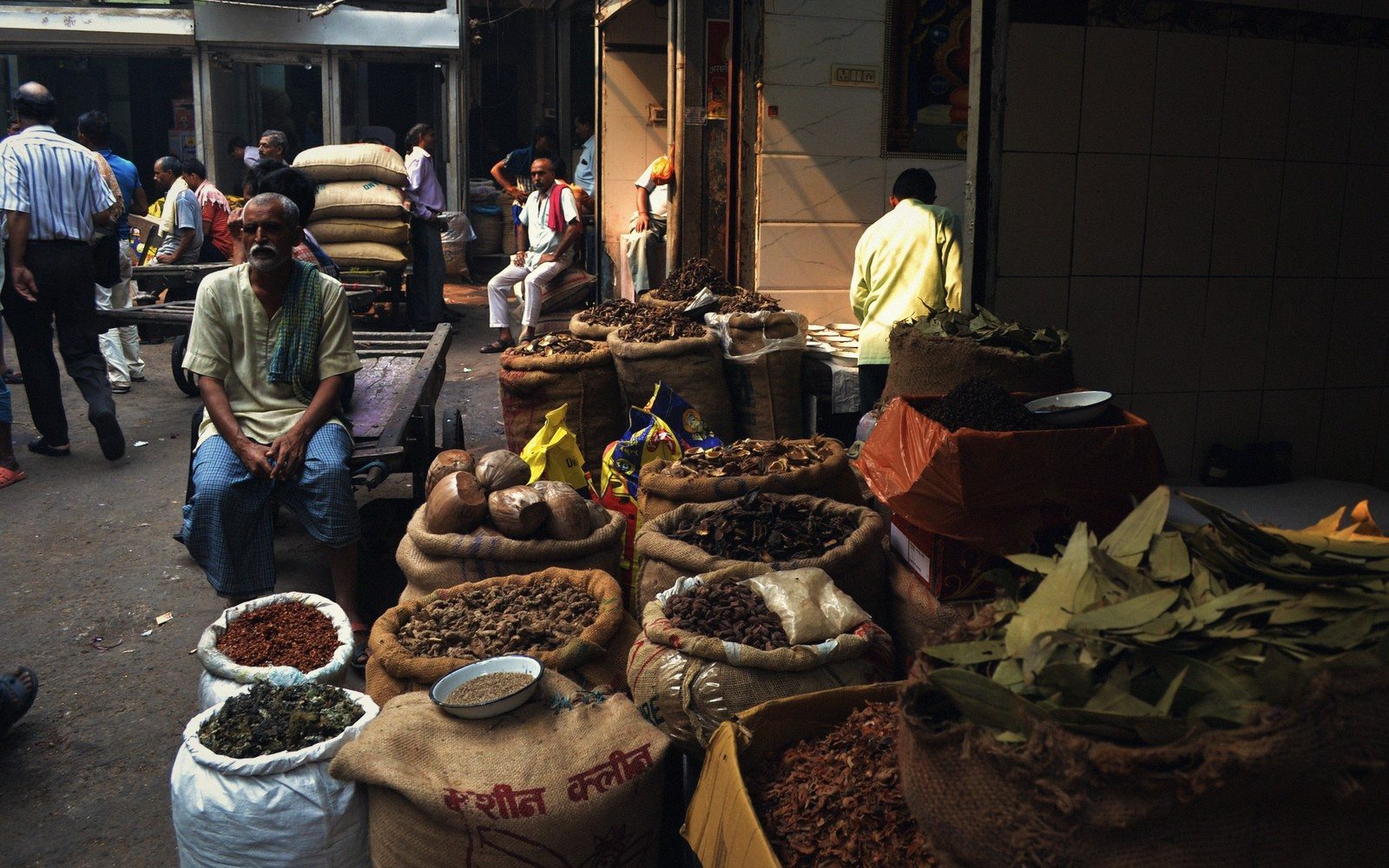
Walk into Mbare Musika before eight in the morning and the first thing that strikes you is the noise, not the goods. Vendors calling prices to each other rather than to customers. A woman with a box of airtime vouchers on a folding table, doing quick arithmetic on a phone screen, turning it to show a buyer, the buyer shaking his head. Everyone here is doing the same calculation, continuously, about a number that has already started moving since yesterday.
Zimbabwe has operated a dual-currency economy for years, in different configurations. The architecture shifts — the currency has been redenominated, renamed, rebased — but the underlying habit has not changed: people here hold US dollars where they can, and spend Zimbabwe dollars where they must. The Zimbabwean dollar, returned to use after a prolonged absence and now styled in its more recent iterations as the ZiG — short for Zimbabwe Gold — sits alongside the greenback in every transaction, but not at a fixed rate, and not at the same rate from table to table. What the rate actually is at any given moment is a number that exists in practice, not on a posted sign, and finding it is the first skill a traveller needs.
It is worth saying plainly: the people navigating this system are not confused by it. They have been doing it for longer than most visitors have been travelling. What looks like an informal arithmetic to an outsider is simply arithmetic. The man pricing tomatoes in a wheelbarrow at the edge of Mbare's vegetable section, the woman folding kangas behind the textiles stalls, the teenage boy running mobile-money transfers from a booth the size of a wardrobe — none of them need the situation explained. They work the spread like a skill, because it is one.
What the Morning Teaches You
The market day has a rhythm that only loosely corresponds to the clock. In Harare's Mbare, the main wholesale section operates from dawn; by mid-morning the retail buyers have bought and gone, and the character of the market shifts toward the small-scale customer — people buying half a cabbage, a cup of rice, a single cigarette. In Bulawayo, Renkini and Egodini serve the same combined function: wholesaler, bus terminus, money-changer, phone-repair depot, lunch spot. In both cities the market is the infrastructure.
The currency question comes up the moment you open your wallet. For a foreign traveller, US dollars are what you have; they are also what some vendors actively want, because a dollar received is a dollar saved from the conversion risk. Other vendors, especially those paying suppliers in local currency, will quote in ZiG without apology. The same tomatoes might be priced in either unit by adjacent vendors, at numbers that imply a slightly different exchange rate for each. This is not deception. It is a live negotiation about what money actually means today.
The practical sequence goes roughly like this: you name what you want, the vendor quotes a price, you ask what currency, they say which, and you either have it or you do not. If you do not have small local notes — and newcomers rarely do — the vendor either makes change from a battered envelope of mixed bills tucked under the table, or adjusts the price to fit what you have. Rounding is generous in both directions. Exact change is the aspiration; near-enough change is the reality.
Mobile money complicates this slightly but mostly simplifies it. EcoCash, the dominant platform, is denominated in ZiG. Many stalls list EcoCash as a payment option, often displayed on a small laminated card. Dialling the transfer sequence on a borrowed handset, or on your own if your provider allows roaming top-up, takes under a minute. For transactions above a certain size, the vendor may prefer it to cash; below a certain size, cash is faster and carries no system-failure risk. The networks go down. Everyone knows they go down. People plan accordingly.
Goods That Have a Currency and Goods That Do Not
Some categories of goods trade almost exclusively in one unit. Imported electronics and new shoes — the kind sold from a locked glass case rather than a tarp — are quoted in USD, paid in USD, and the ZiG equivalent is available if asked but clearly approximate. Locally grown vegetables, most cooked food, and bus fares settle most naturally in local currency, though a dollar will be accepted at whatever the vendor decides it is worth that morning.
The most revealing purchases are the ones in the middle: secondhand clothing from the bale traders, hardware, cooking oil, imported dry goods bought singly rather than by the case. These sit on the boundary where the negotiation about the currency is as important as the negotiation about the price. A piece of fabric at a textile stall in the covered section of the market might be quoted one way to a trader who is clearly buying in bulk, and another way to someone holding a US five-dollar bill, because the vendor knows she will not see another five-dollar bill until someone else wanders in from outside. Holding dollars has value. The vendor is pricing that value.
Travellers who have come overland through the region — through Zambia, across the Beit Bridge crossing from South Africa — often arrive already carrying a rough mental exchange rate from border-town conversation. That number is usually already old by the time they reach the market. The rate on a Monday at the bridge is not the rate on a Wednesday at Mbare. Guides to exchanging money that quote precise figures are writing fiction the moment they publish. What persists is the method: ask someone selling something you want, watch what they use to calculate, and go from there.
The Afternoon Rate
By early afternoon, the pattern established at dawn has been refined by several hours of transactions. Vendors who ran short of ZiG change have restocked. Vendors who accumulated too many small notes have moved some of them somewhere. The mobile-money system has either come back up after a morning wobble or it has not. The market is a clearing mechanism.
This is the time of day when the food stalls do the best business — sadza with relish, sometimes chicken, rice for those who want it, dished out from enormous pots by women who are also managing the till in their heads and have been since morning. A plate of sadza costs what it costs in local currency; this is not negotiable and no one tries. It is the most clearly priced item in the market. The certainty is something like relief.
The afternoon is also when fuel for the day's cooking becomes an errand. Buying a small amount of charcoal or a single cylinder of gas on the market's periphery brings you back to the same dual calculation, at an amount where the rounding can matter. If you are the kind of traveller who buys a cup of tea and a roasted ear of maize from a pushcart vendor at the market's edge, the transaction will cost you the equivalent of something quite small, and it will happen fast, and the vendor will not wait for you to work out the conversion rate. She already knows it. She will tell you.
What the market runs on, underneath the currencies, is relationship and repetition. The vendors who have permanent stalls know their regular customers' preferences. The buyers who come every week know which stalls carry good stock and which short-change on weight. The dual currency adds a layer of calculation but does not change the underlying logic of the place: people who know each other's situations, trading goods they need, at prices reached by negotiation that is also, not incidentally, conversation.
The traveller passing through gets a compressed version of this. You learn the current rate by making a purchase, then another, then a third. By the afternoon you have a working number. By the next morning it will be different. The market does not find this unusual. It has been adjusting longer than you have been watching.