In seven countries, on every road, at every hour: bread.1
The one thing that is always there
In La Paz, it comes from women who move through the market before the light changes, carrying canvas sacks of marraquetas — the double-crested rolls that arrive hard-crusted and pull apart into soft chambers. In Lagos, the roadside bread is sliced white inside a cellophane sleeve, sweet and pillowy, sold through a window before the traffic clears. In Bishkek and Osh, it is lepyoshka: a round, dimpled disc stamped in the centre by a hand tool called a chekich, baked in a clay tandyr until the base scorches and the crust blisters.2 You buy it warm, wrapped in a sheet of newspaper, and eat it walking.
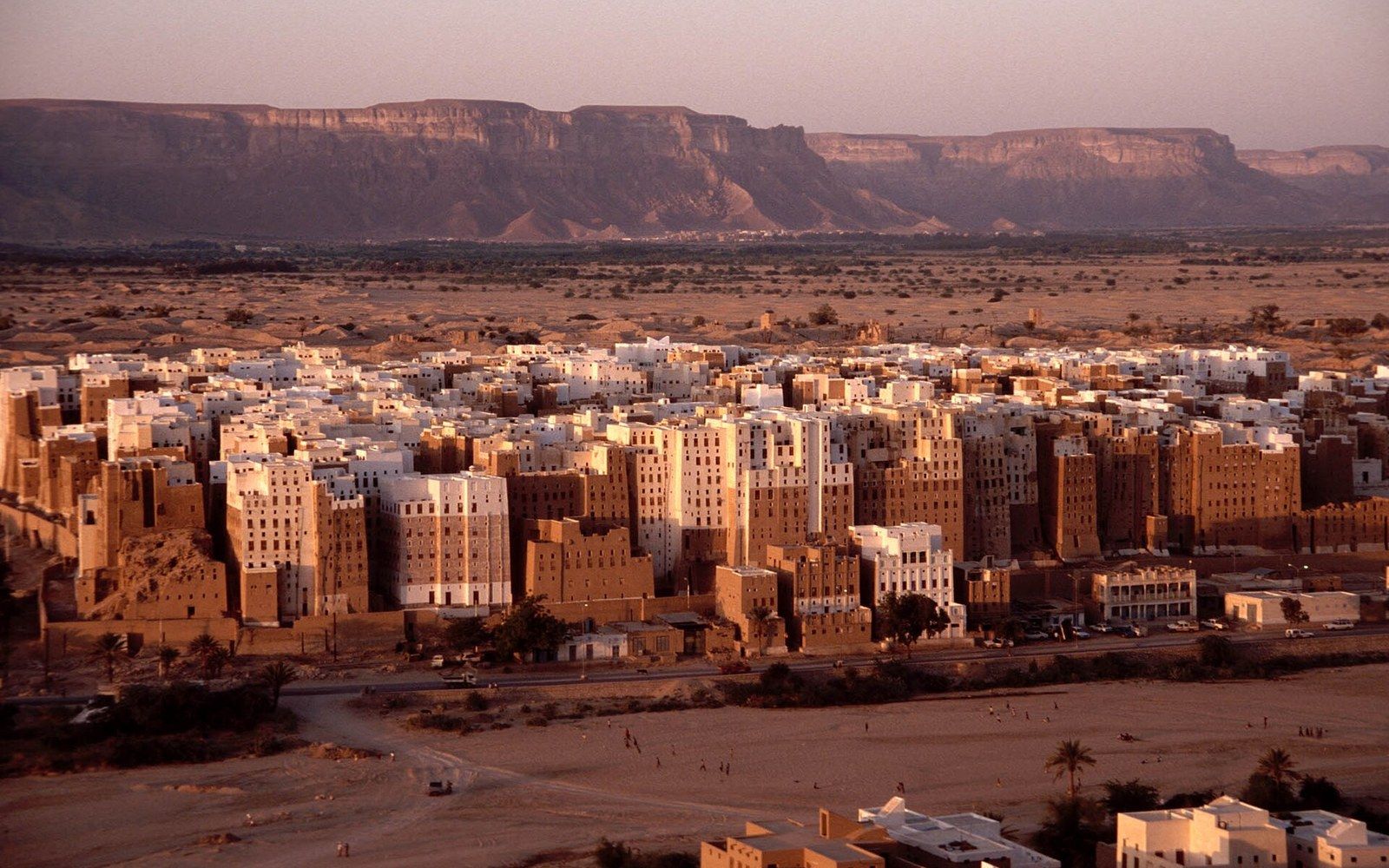
In Cambodia, the French colonial bakeries of Phnom Penh have outlasted everything, and their descendants — roadside stalls with long baguettes stacked in wire frames — turn up as far as Kampot, where a baguette with pâté costs almost nothing and comes with the vendor's full attention. In Zimbabwe, the bread is sliced and square, sold at fuel stations in Harare and Bulawayo when everything else has run short, which is not infrequently. In Damascus, the baker slings a disc of dough against the inside wall of the oven with a single controlled motion; in Aleppo, the same motion, the same bread, the same torn piece offered without comment to whoever is standing close. In Sana'a, the bread is lahoh, thin and fermented, pocked with bubbles, used to scoop rather than to eat on its own — eaten at the table in the old city, eaten at the roadside with the same indifference to occasion.
Bread travels better than anything else on the road. It doesn't require utensils, refrigeration or a shared language. It keeps for hours. It absorbs whatever is beside it — the oil, the salt, the dripping from a meat stall — and takes on the quality of the place as a result. A marraqueta tastes of La Paz not because it is made of Bolivian flour but because of what it is eaten with, and how, and when.
The shared taxi stops at a petrol station somewhere between towns. The driver buys one thing. Every vehicle on every road in seven countries returns to the same answer. The term overland covers thousands of kilometres of difference — language, altitude, climate, what is on the table — but the table always has bread on it. Before anything else is sorted, bread is already there.