A breakdown is not an interruption to the journey. It is part of it.
The Roadside Fix
The engine cuts. The driver steers onto the gravel shoulder with the calm of someone who has done this before, because he has. Nobody panics. The other passengers climb out, stretch, find shade if there is any, and wait.1
What follows is less a crisis than a workshop. The driver opens the bonnet or crawls beneath the chassis; within minutes, if the road sees traffic, someone else stops.2 Not always, but often enough that it reads as custom. A man leans over the engine with him. Tools appear from a cloth bag behind the seat. The problem is named, discussed, worked on.
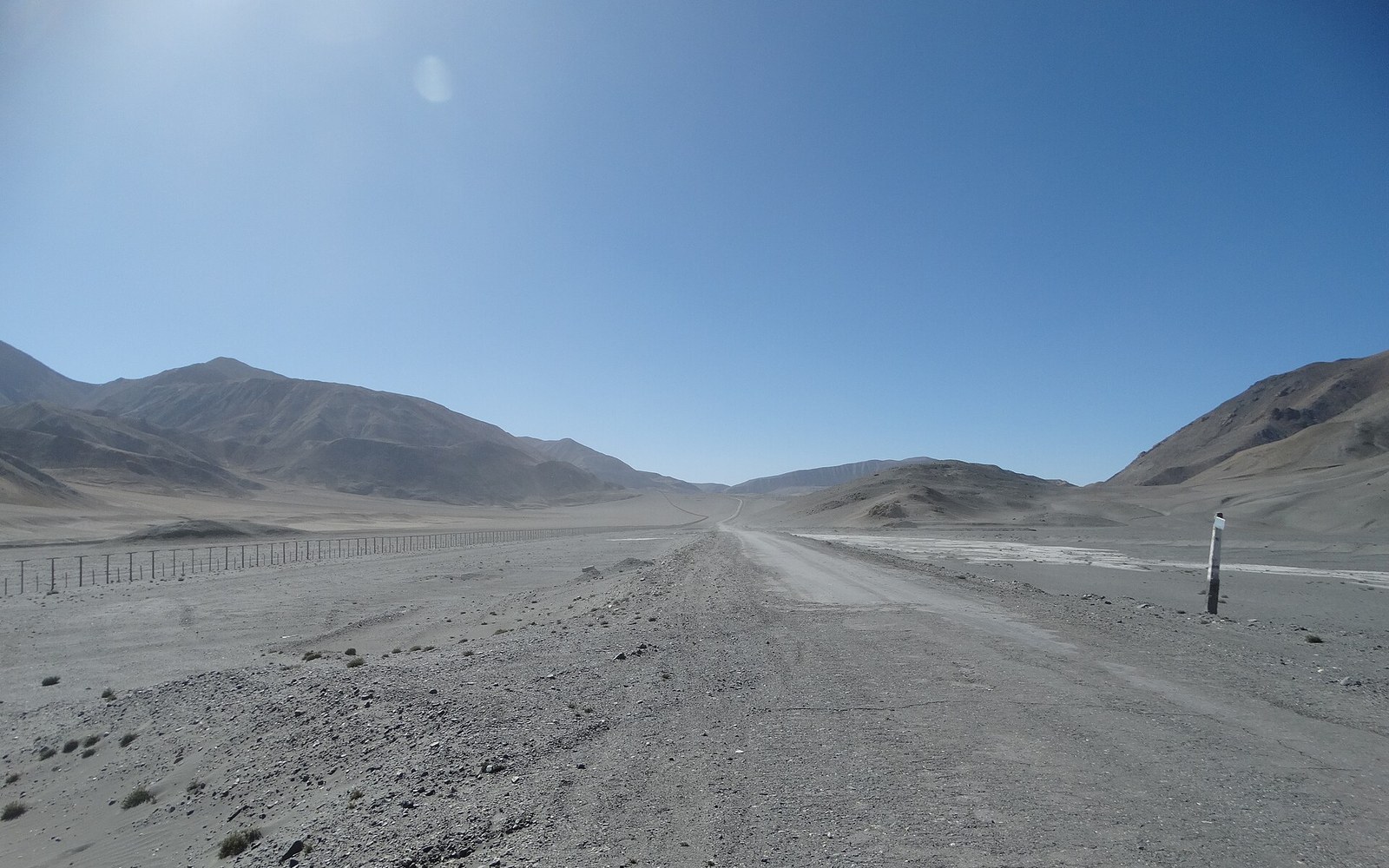
You are not needed for any of this. Your job, if you have one, is to stay out of the way and not to perform impatience. The other passengers already know how this works. They sit on the verge, or lean against the vehicle, or walk a short distance and back. Someone produces bread or a plastic bag of sunflower seeds. The flat light of a high-altitude afternoon stretches across the road in both directions and nothing moves on it for a long time.
On the Pamir Highway, this might happen above four thousand metres with the wind coming in off the plateau. In the Altiplano outside Potosí it might happen in dust and thin air. In either place, the repair happens. A part is bent back into shape, a hose is wrapped, the bonnet comes down. The driver wipes his hands and says something brief. Everyone gets back in.
The vehicle starts. The road resumes, exactly as before.