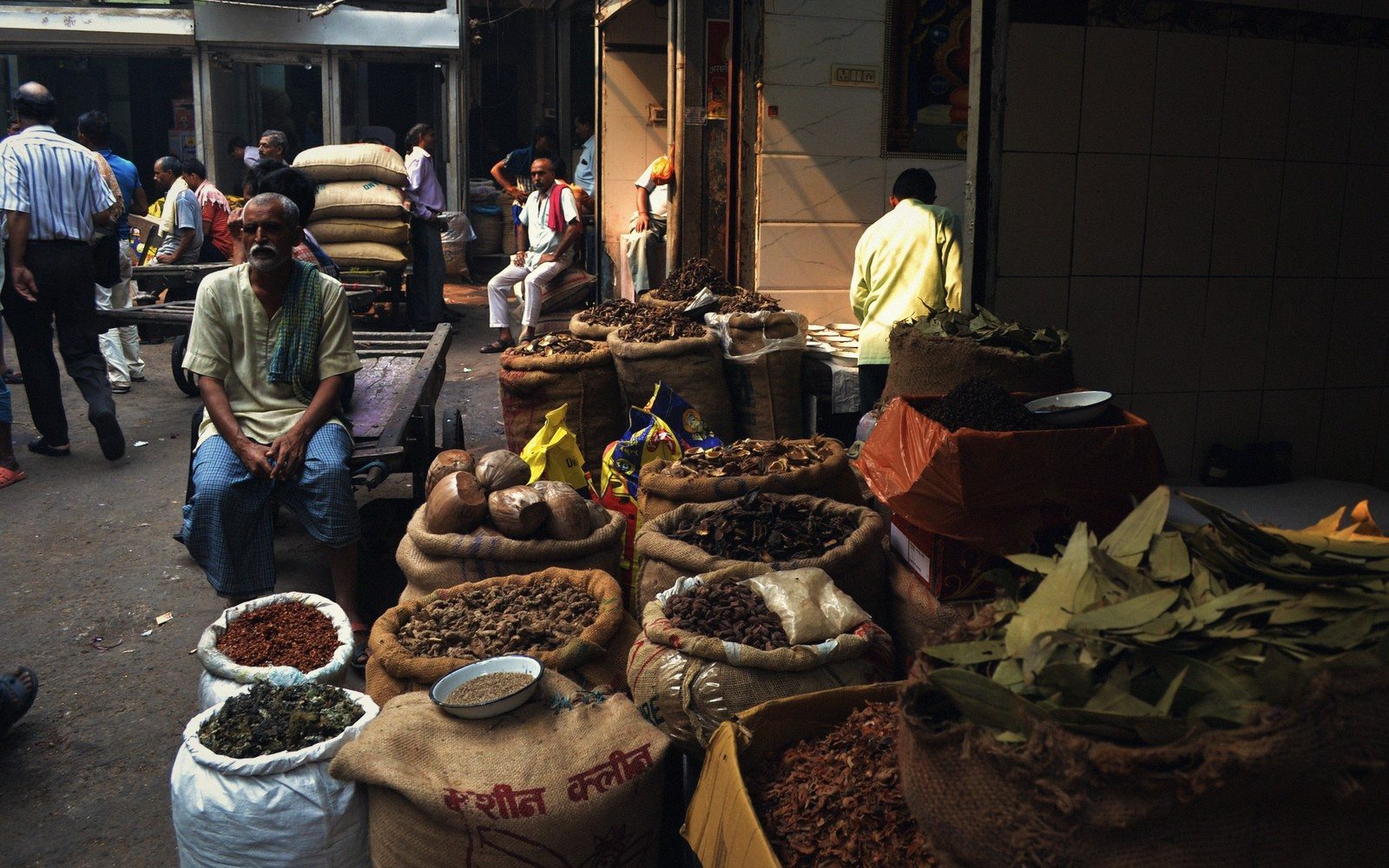
The price comes last.1 Before it: everything else.
The Gap Between Opening and Closing
The first number a vendor names is not a price. It is a question — who are you? — and the number you name back is your answer. Neither figure is real yet. The negotiation hasn't started; the conversation has.
What's actually moving across a market stall is not money. It is information: whether you know what something costs locally, whether you've bought this before, whether you're in a hurry, whether you're the kind of person who'll walk away.2 Vendors in Phnom Penh's covered markets, in the fabric rows of Aleppo's old souqs, in the lanes around Harare's Mbare Musika read all of this before the second number is offered. They are not trying to cheat you. They are trying to place you.
The conventions are different everywhere, but the structure is similar. In La Paz markets, a firm counter-offer delivered without agitation earns respect; pushing too hard earns nothing but a stiffened posture. Around Osh, the transaction often ends only after tea, and the tea is not optional — it is the negotiation. At Lagos motor parks, the shared-taxi tout's first fare is not a genuine opening at all; it is a test of whether you know the route. If you name a realistic number without hesitation, the whole performance compresses.
The mistake most travellers make is taking the gap between prices personally. The gap is neutral. It means only that neither party has established a shared number yet. Getting there quickly requires not aggression but ordinary social competence: some curiosity about the object, a willingness to stand still, an absence of obvious desperation. Patience is not a tactic — it is simply the correct pace.
Counter-offers work best when they're specific. A round number signals guesswork. A particular figure — arrived at because you've watched what a local paid, or because you've bought this thing before — signals that you know something. That changes the register of the conversation immediately.
Nothing you were told about bargaining before you left is entirely wrong. It is just incomplete. The price is what you agree after you've finished talking. The talking is the point.